Best Steel Solutions

Structural Steel Tubes & Pipes

HOME Steel Tubes Structural Steel Tubes & Pipes

the bustling capital of India, is a hub for various industries, including the construction, automotive, and manufacturing sectors. A critical component for these industries is structural steel tubes and pipes , which play a pivotal role in infrastructure development, engineering, and architecture.

These materials provide strength, durability, and flexibility, making them an ideal choice for a wide range of applications.

Structural steel tubes and pipes are hollow cylindrical or rectangular sections made from steel. They are widely used in various industries for structural purposes, such as load-bearing applications in buildings, bridges, and other infrastructure projects.

The versatility, strength-to-weight ratio, and ease of fabrication make these steel products indispensable in the modern world. A rapidly growing metropolis, the demand for steel tubes and pipes has skyrocketed. From the construction of skyscrapers to the development of roads and bridges, structural steel tubes and pipes have become a cornerstone for urban development.

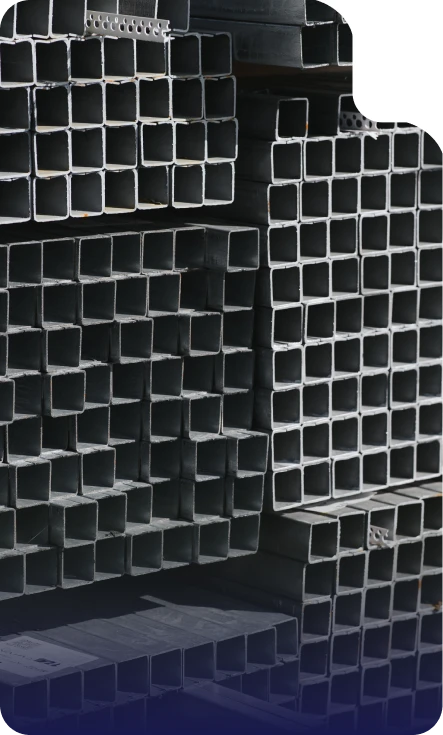
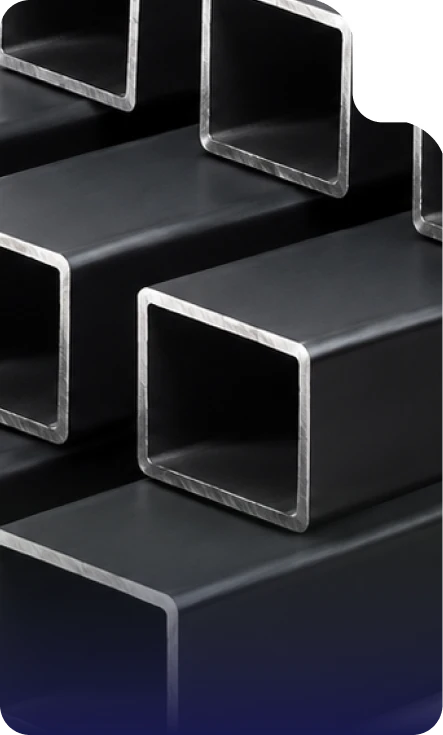
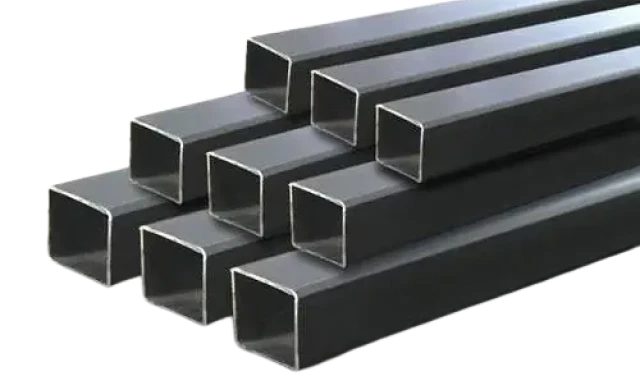
Square Hollow Section

Specifications

Product Range:

20mm x 20mm to 500mm x 500mm

Thickness:

0.6mm to 20mm

There are several types of structural steel tubes and pipes used in industrial and commercial sectors. These include:

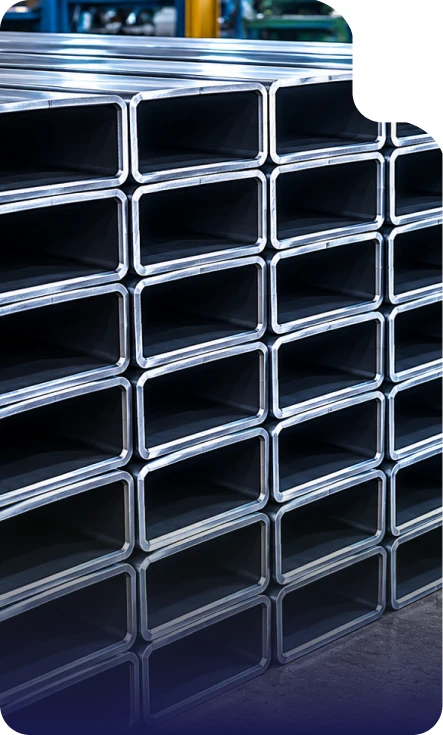
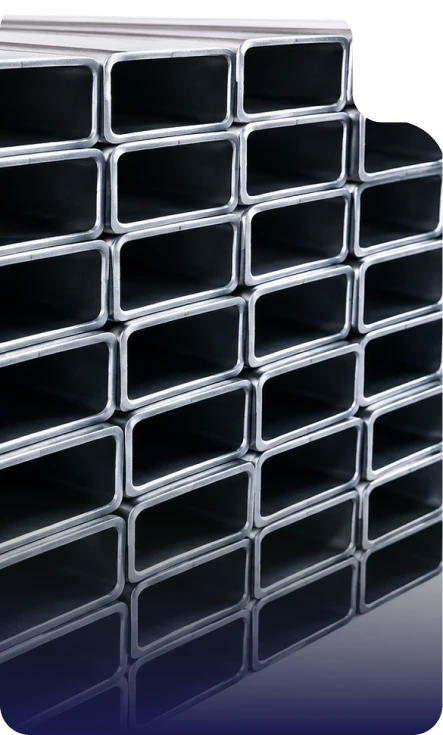
Rectangular and Square Hollow Sections (RHS/SHS): Rectangular and square hollow sections are commonly used in construction for frameworks, trusses, and beams. They provide excellent load-bearing capacity and are often used in steel structures where both strength and aesthetics are important.

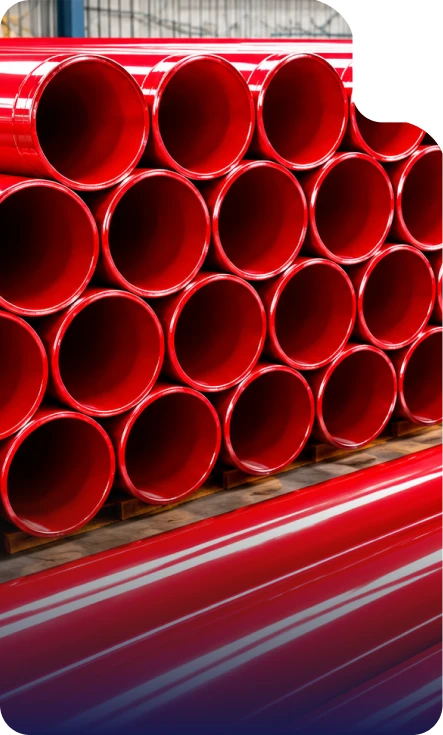
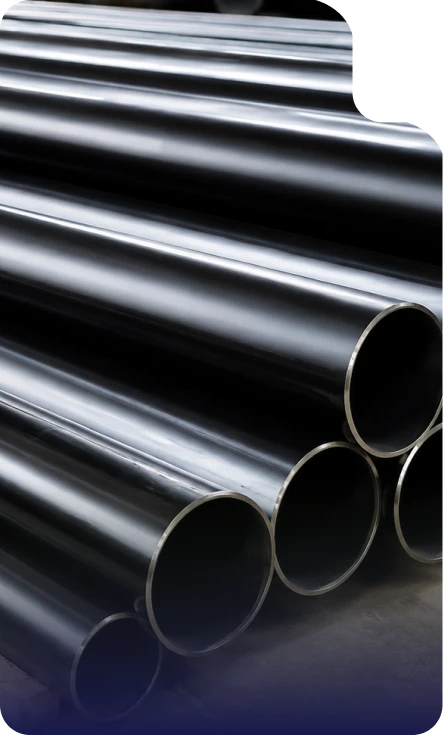
Circular Hollow Sections (CHS): Circular hollow sections, also known as round tubes, are used in columns, towers, and pipelines. Their symmetrical shape ensures equal distribution of stress, making them ideal for structures that need to withstand external forces like wind or water pressure.

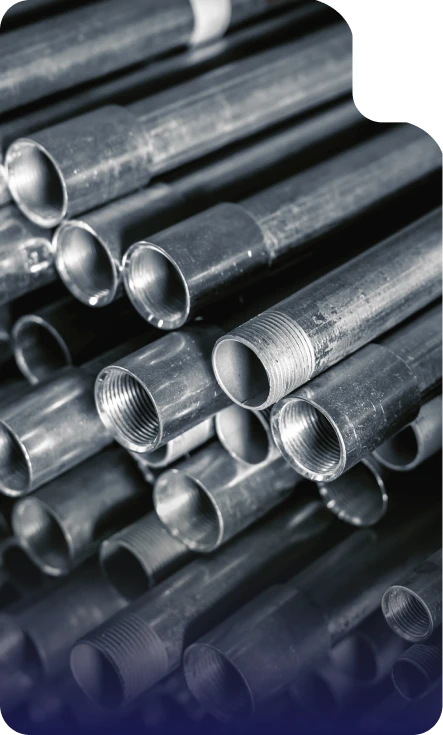
Electric Resistance Welded (ERW) Tubes: ERW steel pipes are made by rolling metal and welding it longitudinally. They are used in structural applications, fencing, scaffolding, and water and gas transportation. Their cost-effectiveness and strength make them popular in the construction industry.

Seamless Steel Tubes: Seamless steel tubes are made by extruding steel to form a hollow tube, eliminating the need for welding. These tubes are used in critical applications where strength and durability are paramount, such as in boilers, pipelines, and high-pressure environments.

The demand for structural steel tubes and pipes spans across various sectors, such as:

Construction Industry: Steel tubes and pipes are essential for constructing residential buildings, commercial complexes, flyovers, and bridges. Their high strength-to-weight ratio allows architects and engineers to design structures that are both durable and aesthetically pleasing.

Automotive Industry: In the automotive sector, structural steel tubes are used in the manufacturing of vehicle frames, chassis, and components that require lightweight yet strong materials. The use of steel tubes reduces the overall weight of vehicles, improving fuel efficiency and performance.

Infrastructure Development: Infrastructure, including roads, railways, and airports, relies heavily on the use of steel tubes and pipes. From railway tracks to water pipelines and sewage systems, structural steel products are integral to growth and modernization.

Industrial Manufacturing: Various industries use structural steel tubes for the production of machinery, equipment, and industrial components. Their durability and resistance to corrosion make them ideal for use in heavy machinery and factory settings.

The use of structural steel tubes and pipes offers several advantages, including:

Strength and Durability: Steel tubes and pipes are known for their strength and ability to withstand heavy loads, making them ideal for high-stress environments. They can endure extreme weather conditions, seismic activities, and heavy traffic, ensuring the longevity of structures.

Flexibility in Design: Structural steel tubes can be easily fabricated and customized to meet specific design requirements. Their hollow sections make them lighter than solid steel, while still providing the necessary strength for load-bearing structures. This flexibility allows architects to create complex and innovative designs.

Cost-Effectiveness: Steel tubes and pipes are an economical choice for construction and industrial applications. Their durability and low maintenance requirements reduce long-term costs, making them a cost-effective solution for large-scale projects.

Corrosion Resistance: Structural steel tubes and pipes are often coated with protective layers like galvanization, which enhances their resistance to corrosion. This makes them suitable for use in harsh environments, such as coastal areas or industrial zones.

Sustainability: Steel is one of the most recycled materials in the world. The use of structural steel tubes and pipes contributes to sustainable construction practices by reducing waste and conserving resources. This is particularly important as sustainability continues to be a growing concern.

Choosing the Right Supplier

When sourcing structural steel tubes and pipes, it is crucial to choose a reliable supplier. Best Steel Solutions Private Limited, established in 2016, has emerged as a leading authorized channel partner for industry giants like Jindal Hissar and Sambhv Steel Tubes. The company offers a wide range of steel products that cater to the diverse needs of the market.

With a commitment to quality and customer satisfaction, Best Steel Solutions provides steel tubes and pipes that meet international standards. Their expertise in the field, coupled with a comprehensive product portfolio, ensures that customers receive the best materials for their projects.

Product Application

PEB Structures

Airports

Godown

Warehouses

Automobiles

General Engineering

Frequently Asked Questions

What are the main applications of structural steel tubes and pipes?

Structural steel tubes and pipes are primarily used in construction, automotive manufacturing, infrastructure development, and industrial machinery production.

What are the advantages of using rectangular and square hollow sections (RHS/SHS)?

RHS/SHS provide excellent load-bearing capacity, are easy to fabricate, and offer a sleek design that enhances the aesthetic appeal of structures.

How are electric resistance welded (ERW) tubes different from seamless steel tubes?

ERW tubes are made by welding metal sheets longitudinally, while seamless tubes are extruded from solid steel billets. Seamless tubes are preferred for high-pressure applications, while ERW tubes are more cost-effective for general structural use.

Why is corrosion resistance important for structural steel tubes and pipes?

Corrosion resistance ensures the longevity of steel products, especially in environments exposed to moisture, chemicals, or harsh weather conditions. This reduces maintenance costs and extends the lifespan of structures.

Where can I source high-quality structural steel tubes and pipes?

Best Steel Solutions Private Limited is a leading supplier, offering a wide range of high-quality steel tubes and pipes from industry giants like Jindal Hissar and Sambhv Steel Tubes.